
Mergers and Acquisitions in Facilities Management: The Deal Is Just the Starting Point
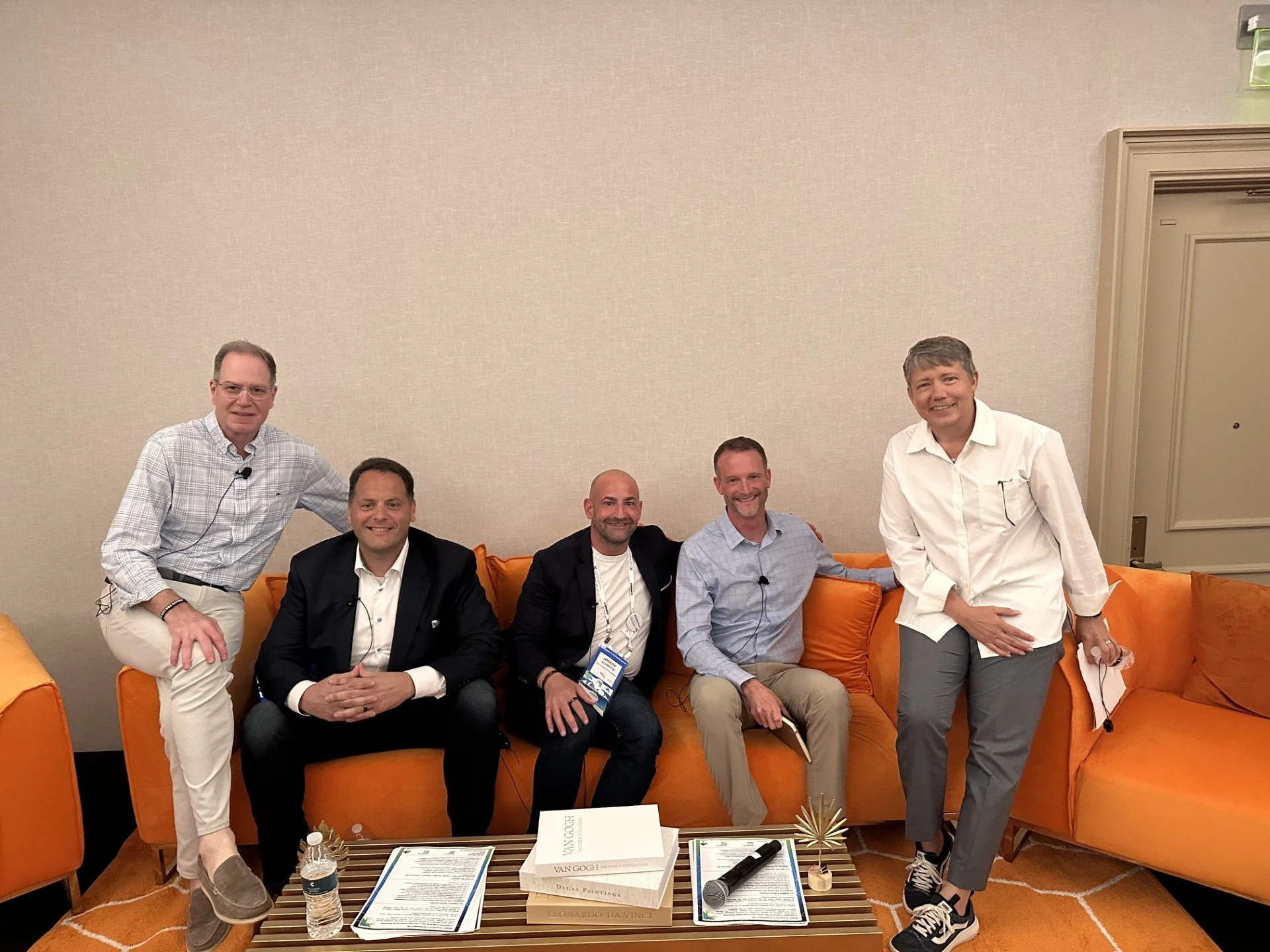
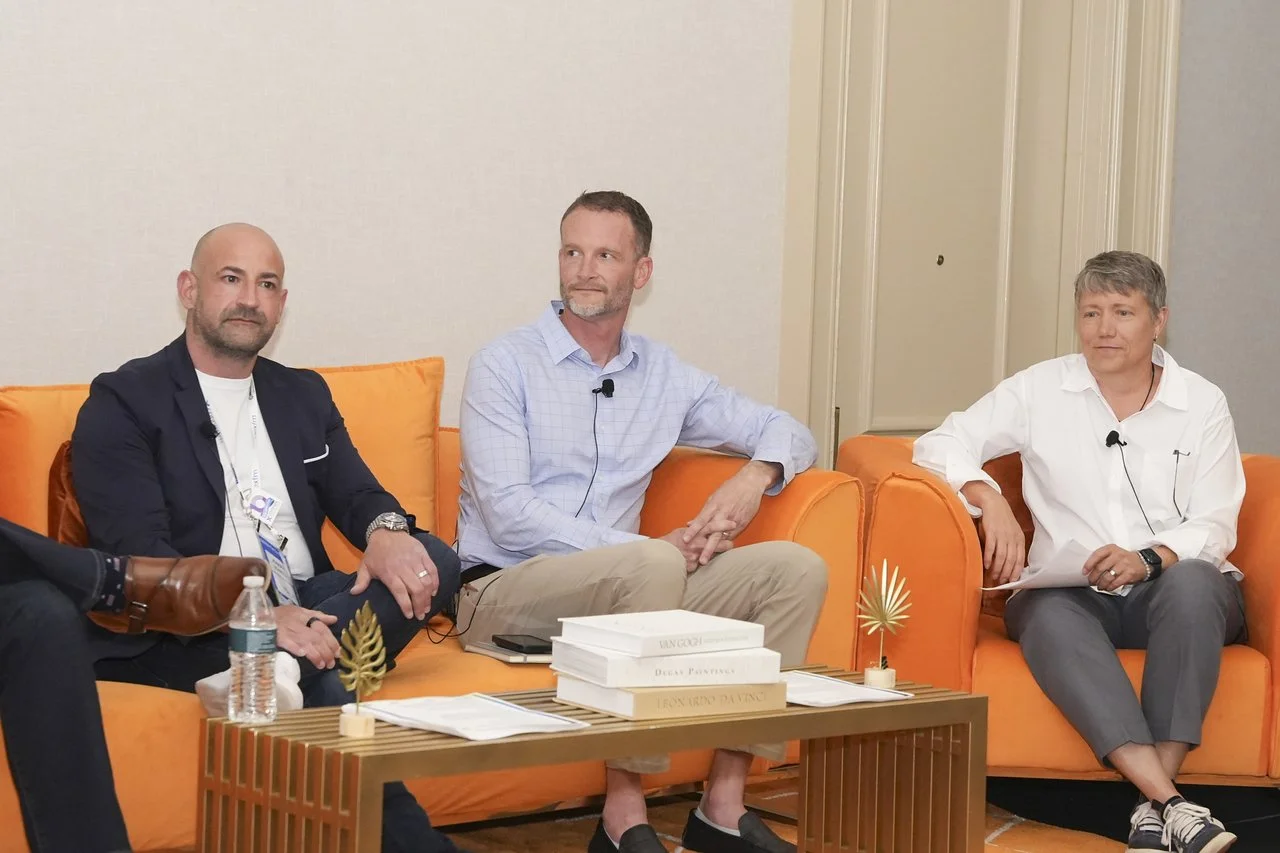
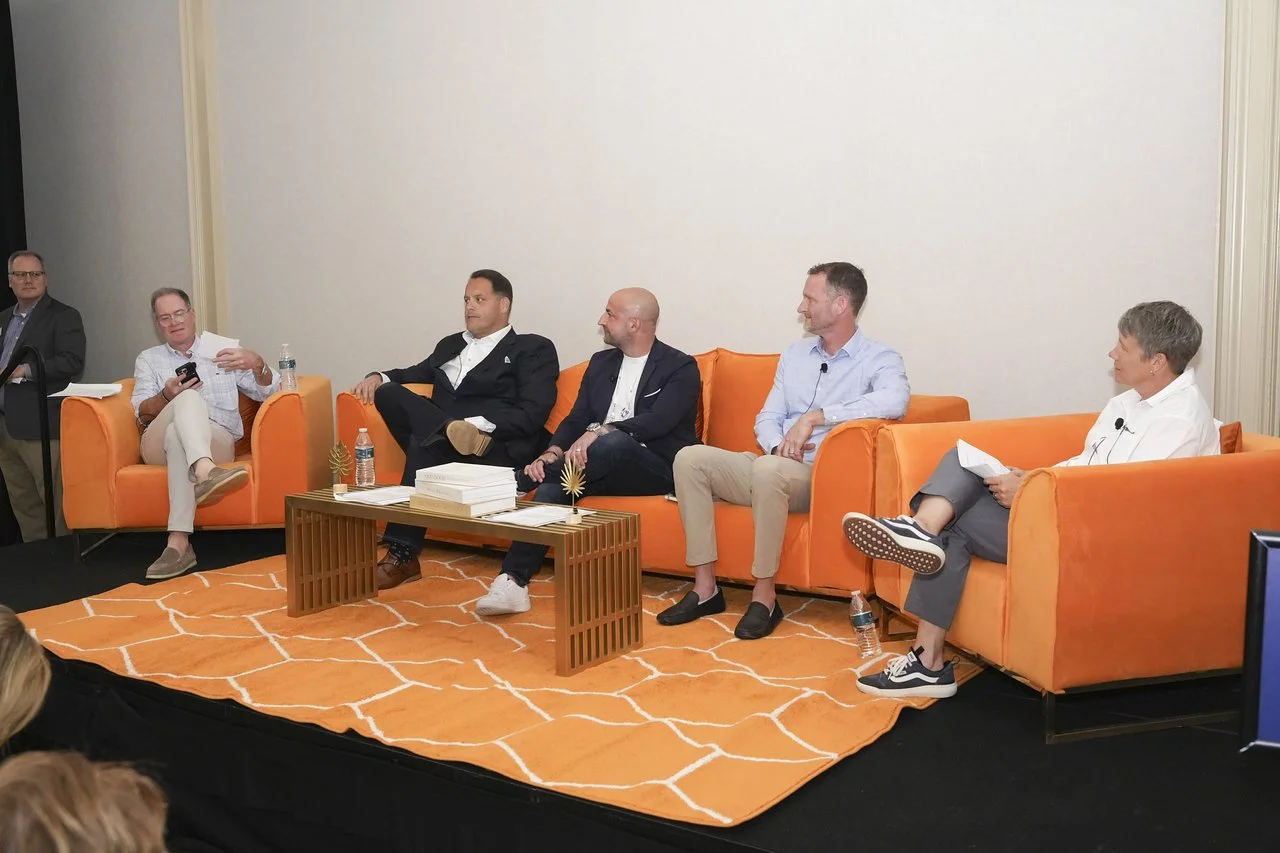
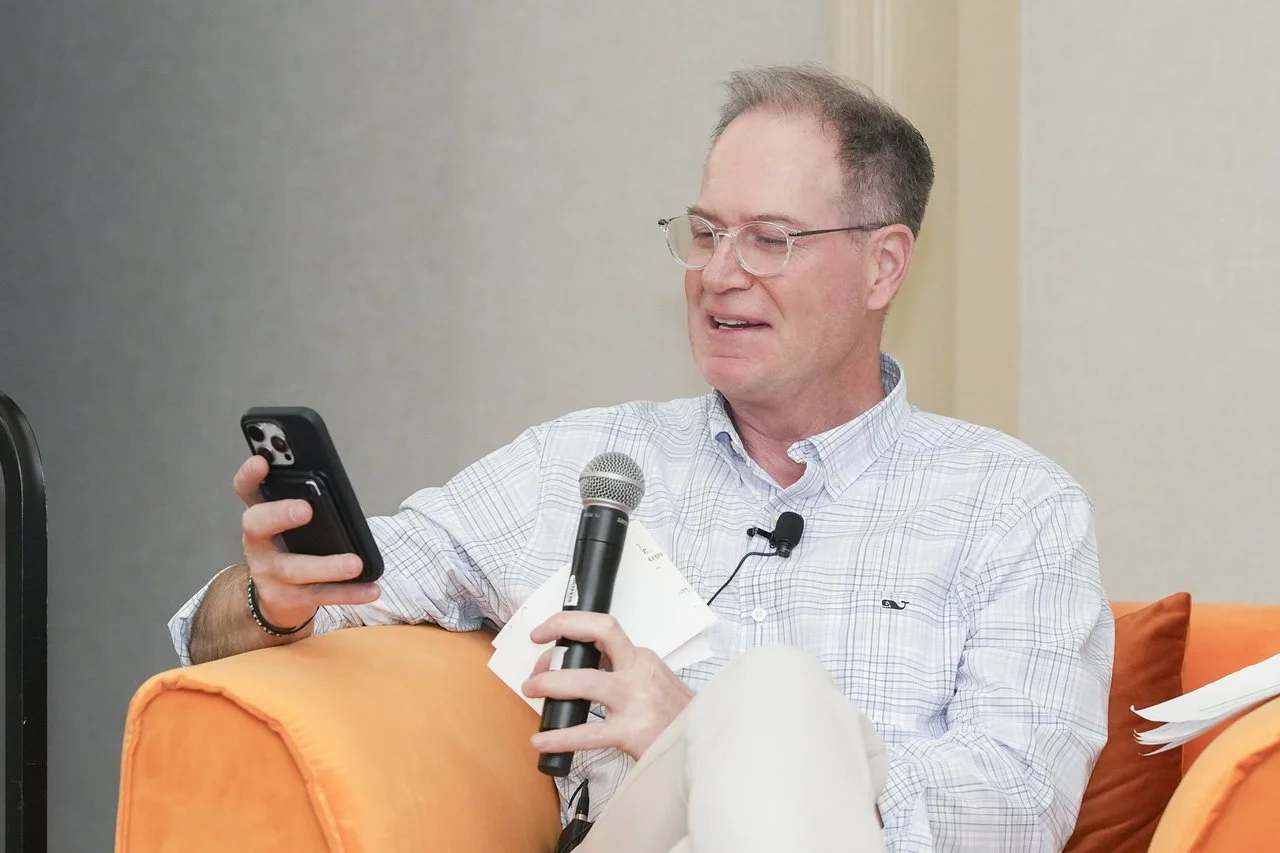
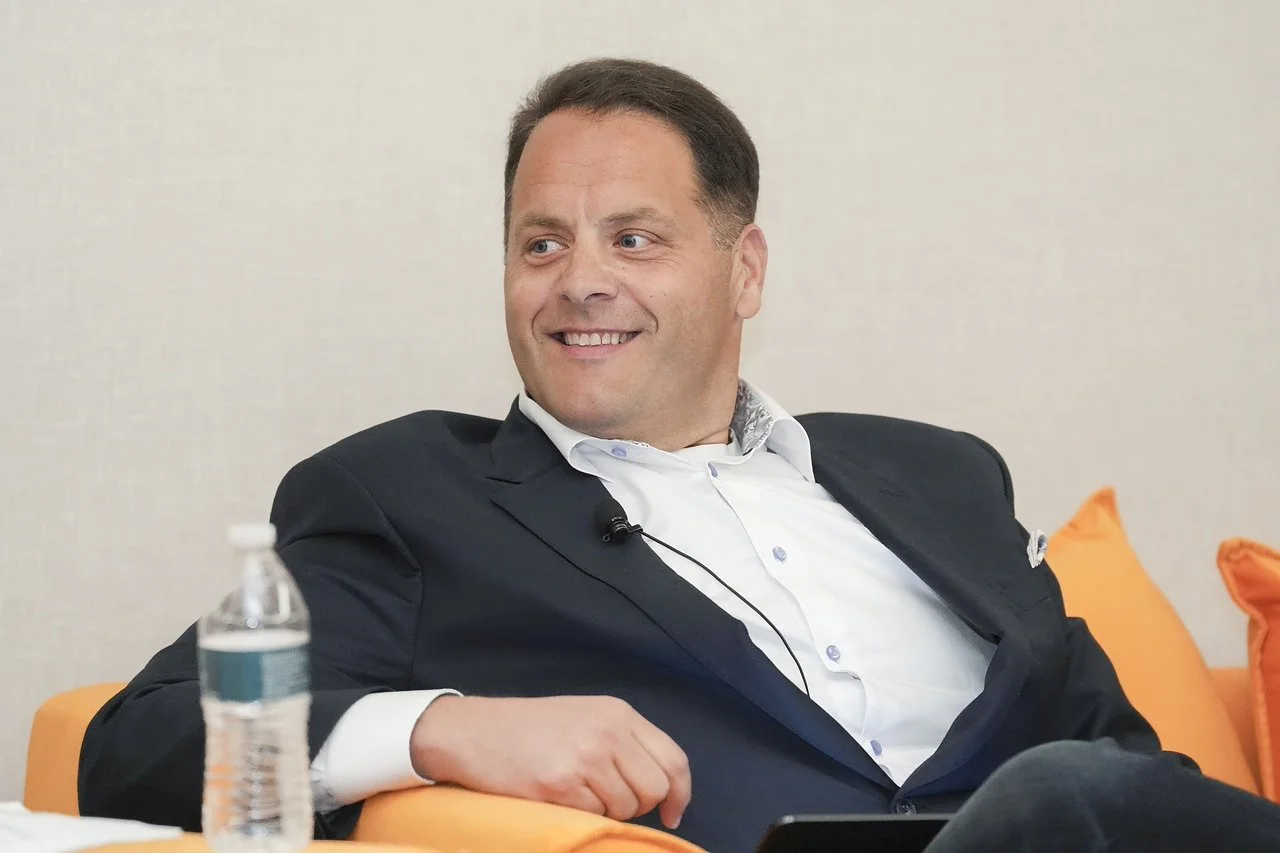
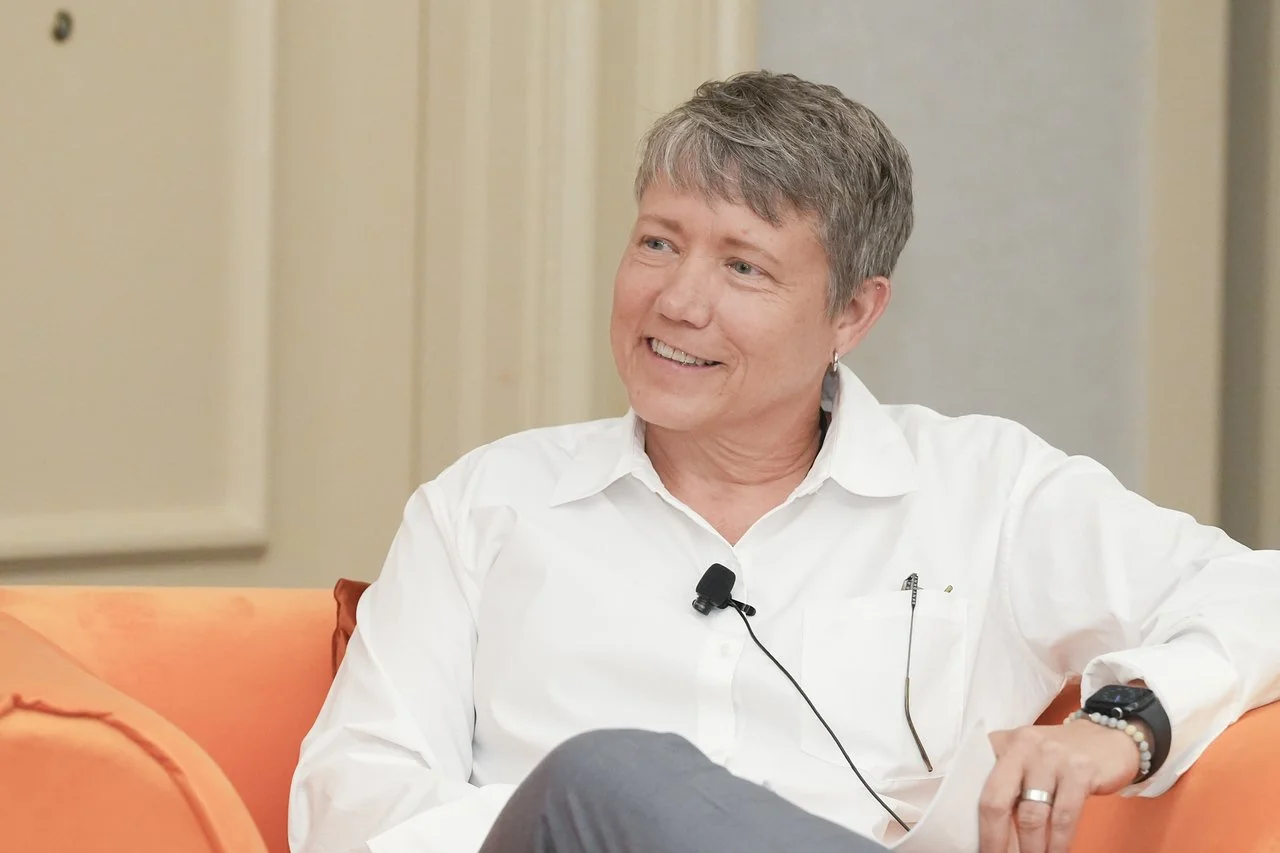
At ConnexFM’s 2026 National Conference, a standing-room-only session on Mergers, Acquisitions & Partnerships in FM reflected how much the industry has evolved. What was once a debated topic is now a defining force, shaping how companies grow. Moderator Kevin Heslin, Founder and Managing Partner of Alden Capital Advisors, guided a valuable conversation with panelists Joseph Scaretta, Co-Founder of Vision Infrastructure Solutions, Cecil More, CEO of Leo FM, Donald Graham of One Medical, and Jennifer Judd, Store Maintenance Director at Gap Inc.
Interestingly, this conversation wasn’t centered on deal-making. It focused on what happens after the deal. Panelists shared how private equity intersect with the business and its team members, vendor relationships, clients, and day-to-day operations, and what is actually needed for a successful partnership.
Facilities management has become increasingly attractive to private capital. With a market exceeding $150 billion, recurring revenue models, work that is essential, and operational complexity that rewards scale, investment has accelerated in recent years. Yet as panelists emphasized, capital alone does not create value.
One of the most direct insights came from Cecil, who noted that change following a transaction is not optional. Financial structures, operational expectations, and growth targets make change inevitable. He stated clearly, “If someone says nothing is going to change, that’s not reality. The math doesn’t allow it.”
The real issue is not whether a business will change, but how intentionally that change is managed.
Where that tension surfaces first is not at the leadership level, but in the field. Frontline teams are often the first to feel the pressure of competing priorities such as delivering exceptional service while meeting new financial expectations. When misaligned, that pressure quickly translates into slower response times, inconsistent execution, and communication gaps that customers notice immediately.
From the customer perspective, those signals are clear. As Jennifer shared during the discussion: “If you’re chasing communication, you know something is happening.”
She emphasized that response time, proactive communication, and leadership stability are often the earliest indicators of whether an acquisition is managed effectively from the customer standpoint.
Don reinforced a similar point through the lens of operational execution, noting that customers immediately begin evaluating whether the organization can continue delivering at the same level post-transaction. He noted, he often asks: “What does this mean for service-level delivery?”
That question, while simple, captures the core concern many customers share during periods of transition.
Maintaining continuity, then, becomes less about systems and more about discipline. The companies that navigate this transition well tend to focus on a few core principles: consistent communication across all stakeholders, protecting the individuals who carry the culture of the organization, and ensuring that top talent remains closely connected to the customer experience.
Joe stated that maintaining continuity comes down to two words: over communicating.
“The biggest mistake people make post-transaction is underestimating how much your people need to hear from you. Without sharing the mission and where you're going, they'll make up their own story, and it's usually not the one you want them telling,” Joe said. Preserving continuity all starts with the people, and that means overcommunicating where the business is and where it's going, with your core culture drivers, your vendor base, and your customers."
The discussion also highlighted a critical shift in how value is created. While financial engineering plays a role, value is driven by operational clarity: strong customer relationships, experienced teams, and well-defined processes that can scale. In many cases, the most important insights come not from leadership, but from the front lines, where inefficiencies and opportunities are most visible.
Looking ahead, the trajectory is clear. Consolidation in facilities management will continue, private equity will remain active, and investment in technology and workforce development will increase. The differentiators of strong partnerships will be transparency, consistency, and the ability to execute reliably across a fragmented and complex operating environment.
The session concluded with a simple but important reminder from moderator: private equity is not inherently good or bad. It is a tool. The outcome depends entirely on how it is applied and how well expectations are aligned with execution.
In facilities management, that alignment is tested daily. Although the deal may define the opportunity, what happens next defines the outcome.
###